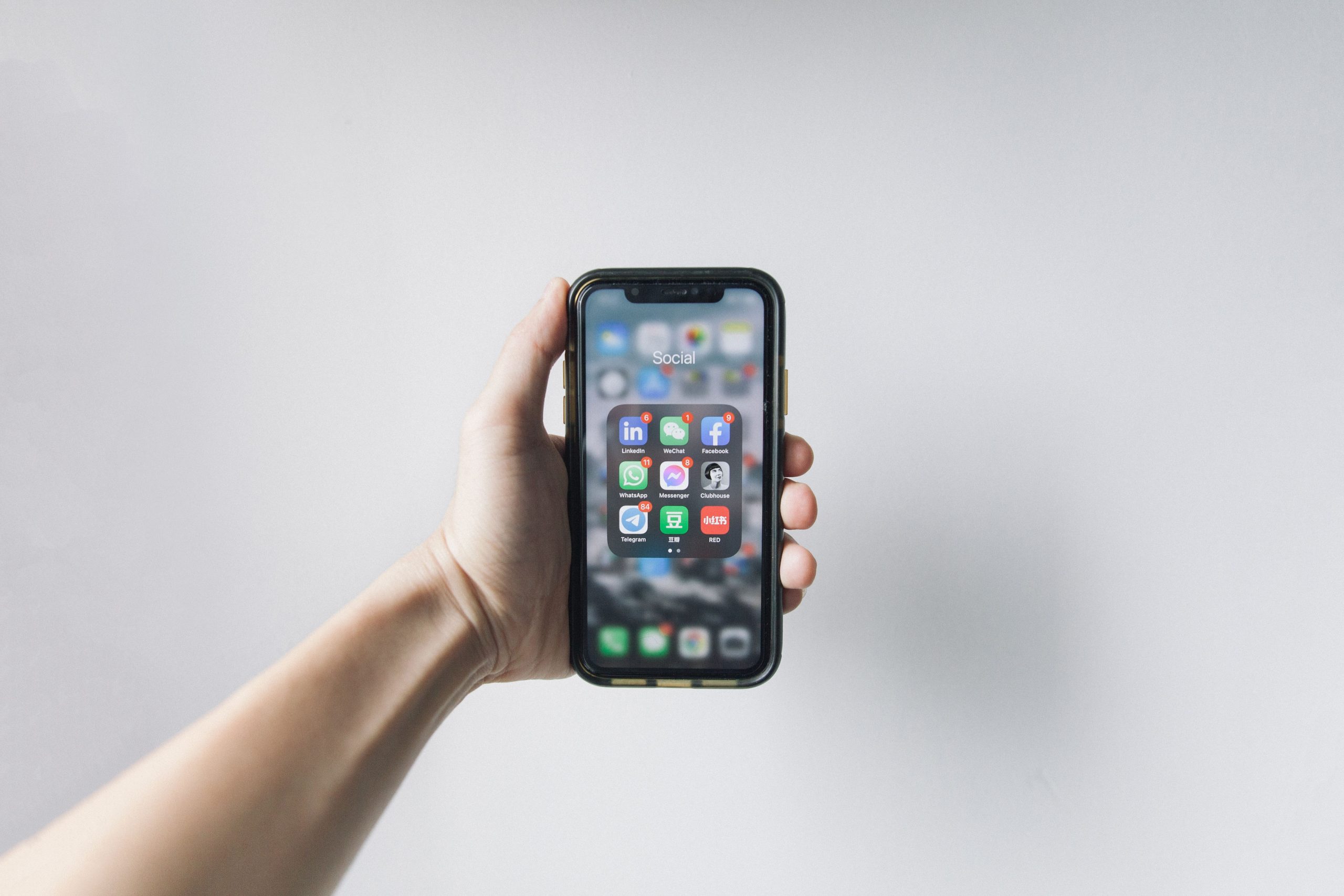
Smartphone apps have changed how people travel, manage money, order food, exercise and relax. Jobs that once required a computer or phone call now take a few taps. Apps have become part of everyday routines.
How Mobile Apps Changed Daily Tasks
Travel Apps Simplify Planning
Travel once meant printing hotel confirmations, carrying boarding passes and planning directions. Now airline apps send gate changes, maps adjust routes around traffic, and hotel bookings stay on one screen. Someone travelling around California can book a ride or find dinner nearby without knowing the area.
Mobile Banking and Payments
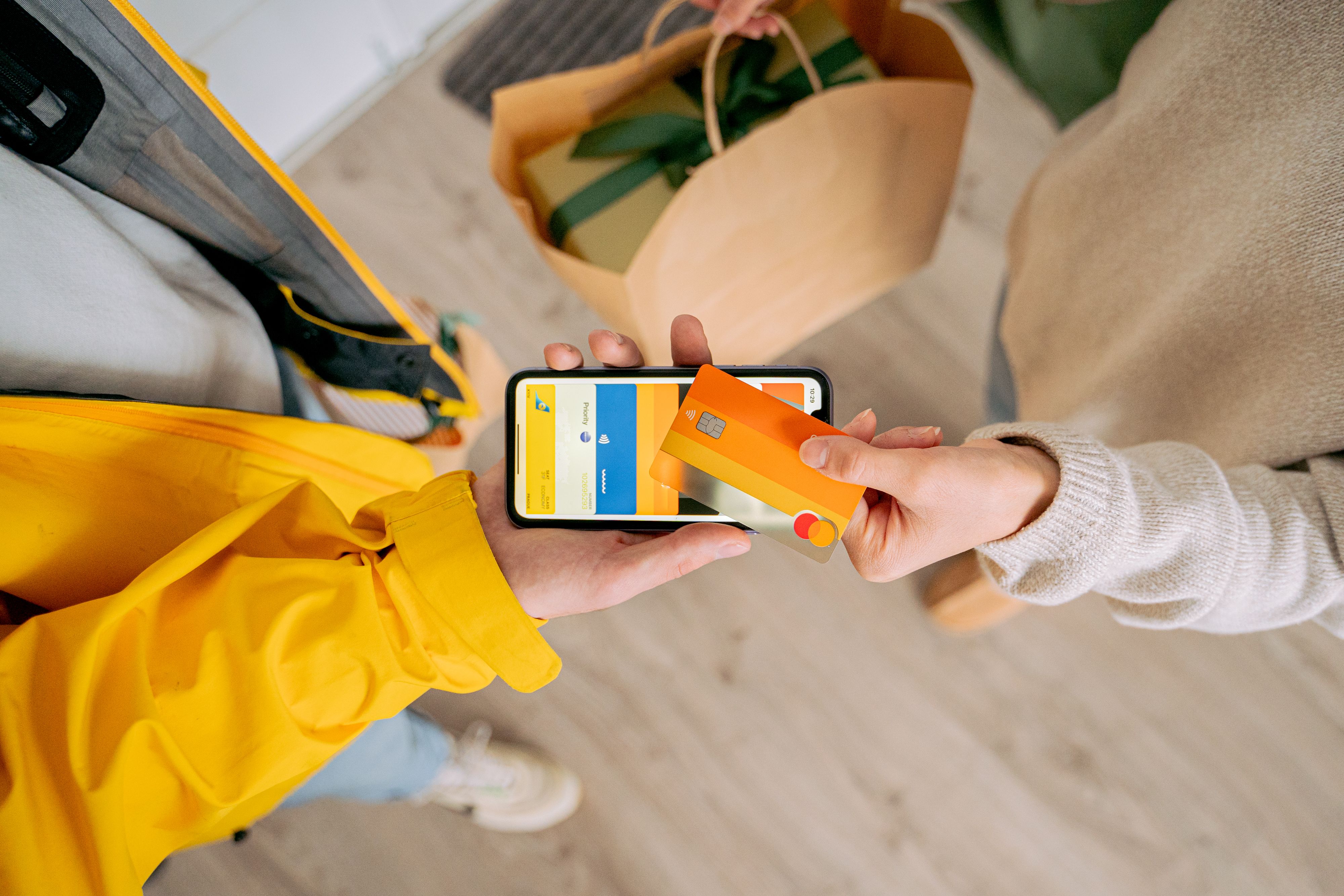
Banking probably went through an even bigger change. People once waited for a statement to see exactly what had happened in an account. Now a purchase can create a notification before somebody has even put the card back in their wallet. That has changed the way people think about money. Balances are checked more often, transfers can happen while two people are standing together, and splitting a restaurant bill no longer requires anybody to find cash.
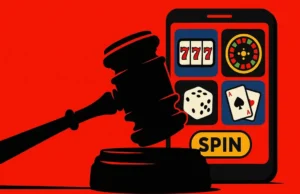
Payment apps also ended up inside other apps. Food delivery, shopping, parking and travel services all learned that making someone leave the app to complete a payment was an unnecessary interruption. Betting apps followed much the same route in markets where mobile wagering is permitted. A sportsbook can combine fixtures, odds, account information, deposits, withdrawals and live scores without requiring the user to move between several services.
Betting with the Betway app is a very different activity from ordering dinner or booking a hotel, but the expectation around the app is familiar: people want to know where things are, see what happened to a transaction and get back to what they were doing without fighting the menu. That expectation is now surprisingly consistent across completely unrelated industries.
Food Delivery Apps Offer More Choice
Food delivery existed long before smartphones. What apps added was visibility. Customers can compare restaurants and prices without calling around. Common features include:
- Menus with prices and reviews.
- Estimated delivery times and order tracking.
- Saved favourites for faster reordering.
The downside? Scrolling through endless options can make choosing dinner harder than simply ordering a pizza by phone.
Fitness Apps Put Progress in Your Pocket
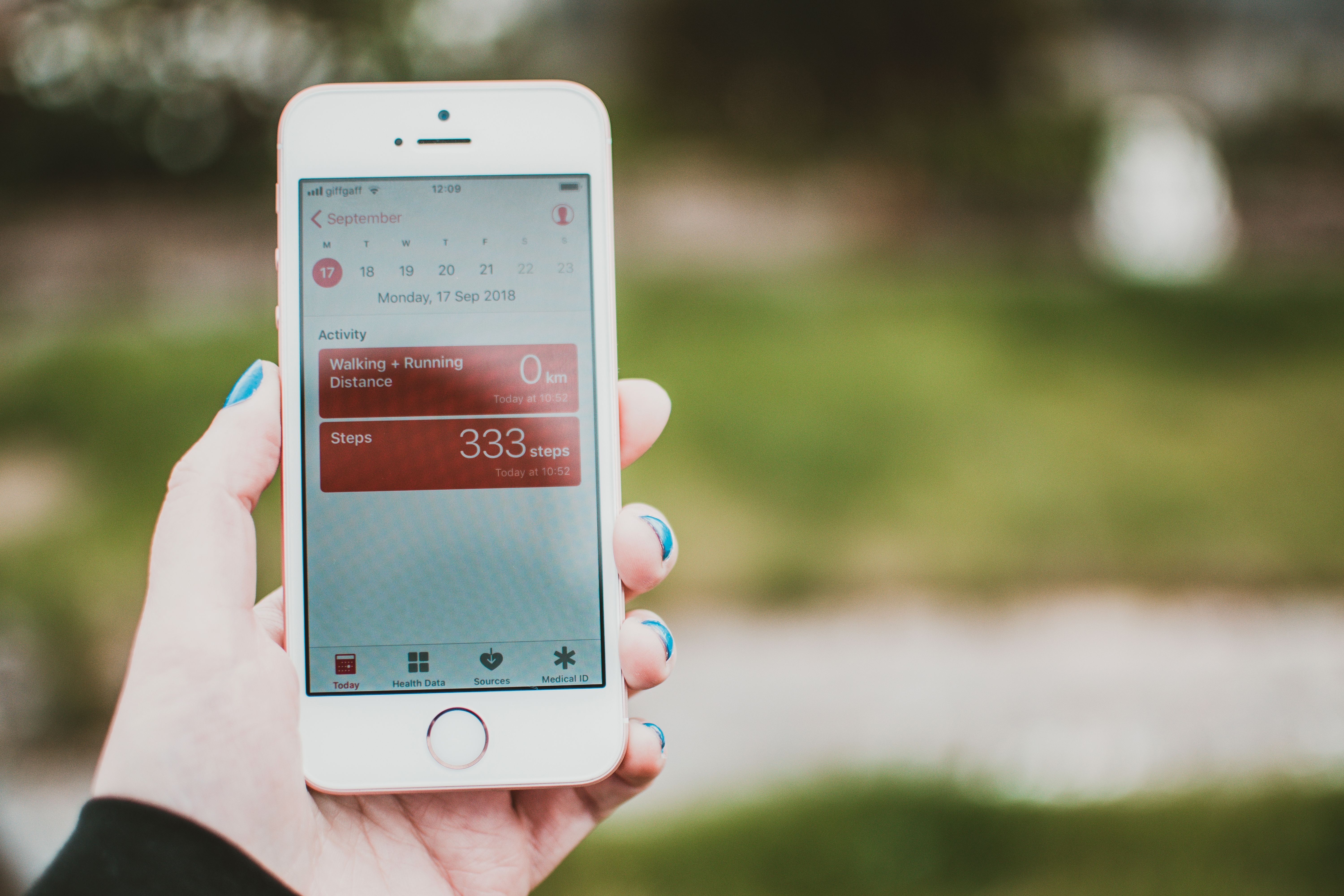
Running apps track pace and distance, while gym apps store workouts. Some connect to watches that record heart rate and sleep. Not everyone needs statistics for a Sunday jog, though. Useful features help people stay active without turning exercise into another chore.
Entertainment Goes Wherever You Go
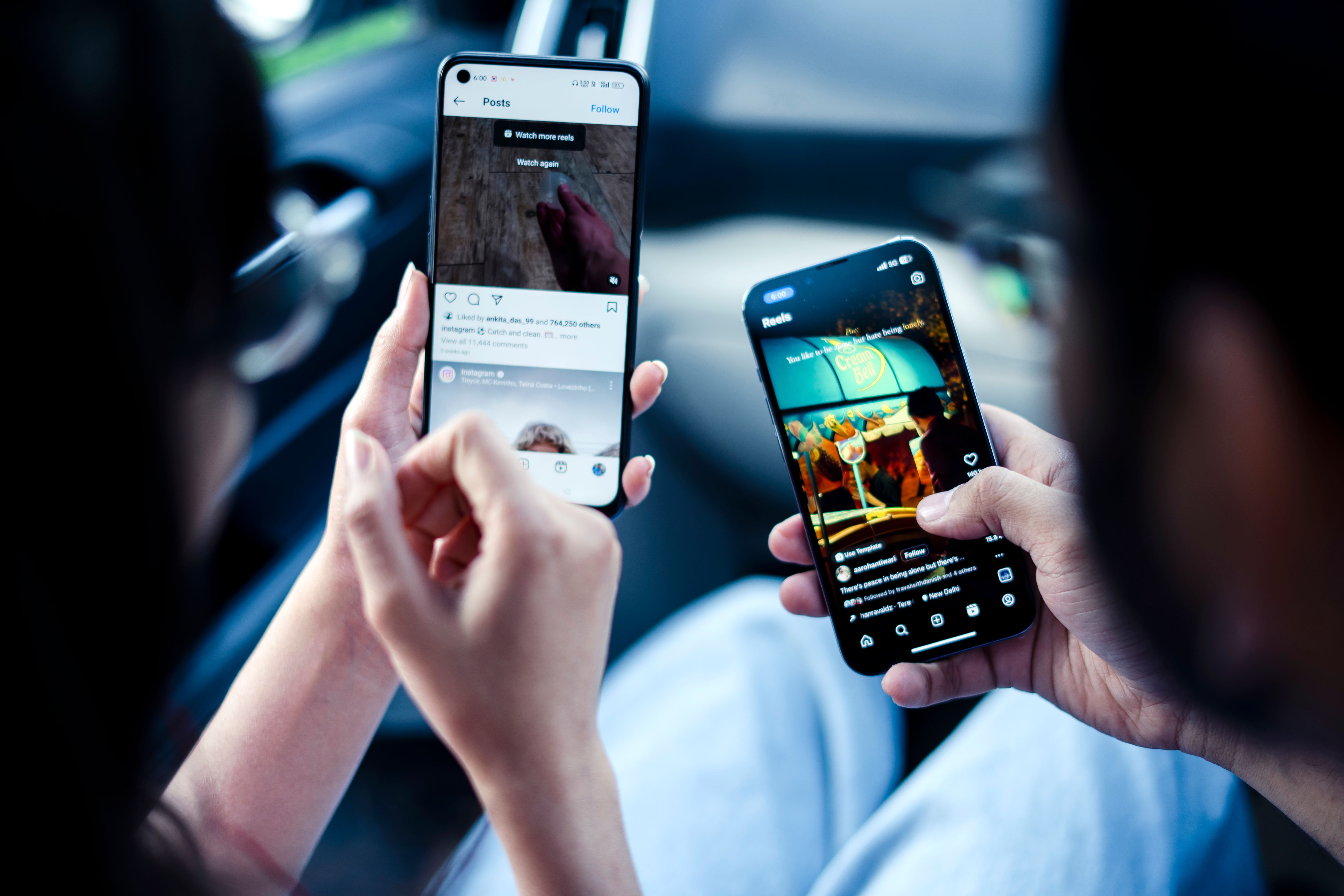
Streaming, mobile games and live sports updates fit into short breaks. A train journey becomes time for a podcast or part of a series. Betting and casino apps also sit within mobile entertainment in places where they are legally available. Convenience brings more competition for attention.
Why Simple Apps Become Everyday Habits
The best mobile apps save time without demanding much attention. A parking app should make payment quick. A banking app should make recent transactions easy to find. A travel app should keep a boarding pass close at hand. People return to services that remember their preferences and make familiar tasks feel effortless. The phone became central to daily life because so many small jobs became easier in one place.