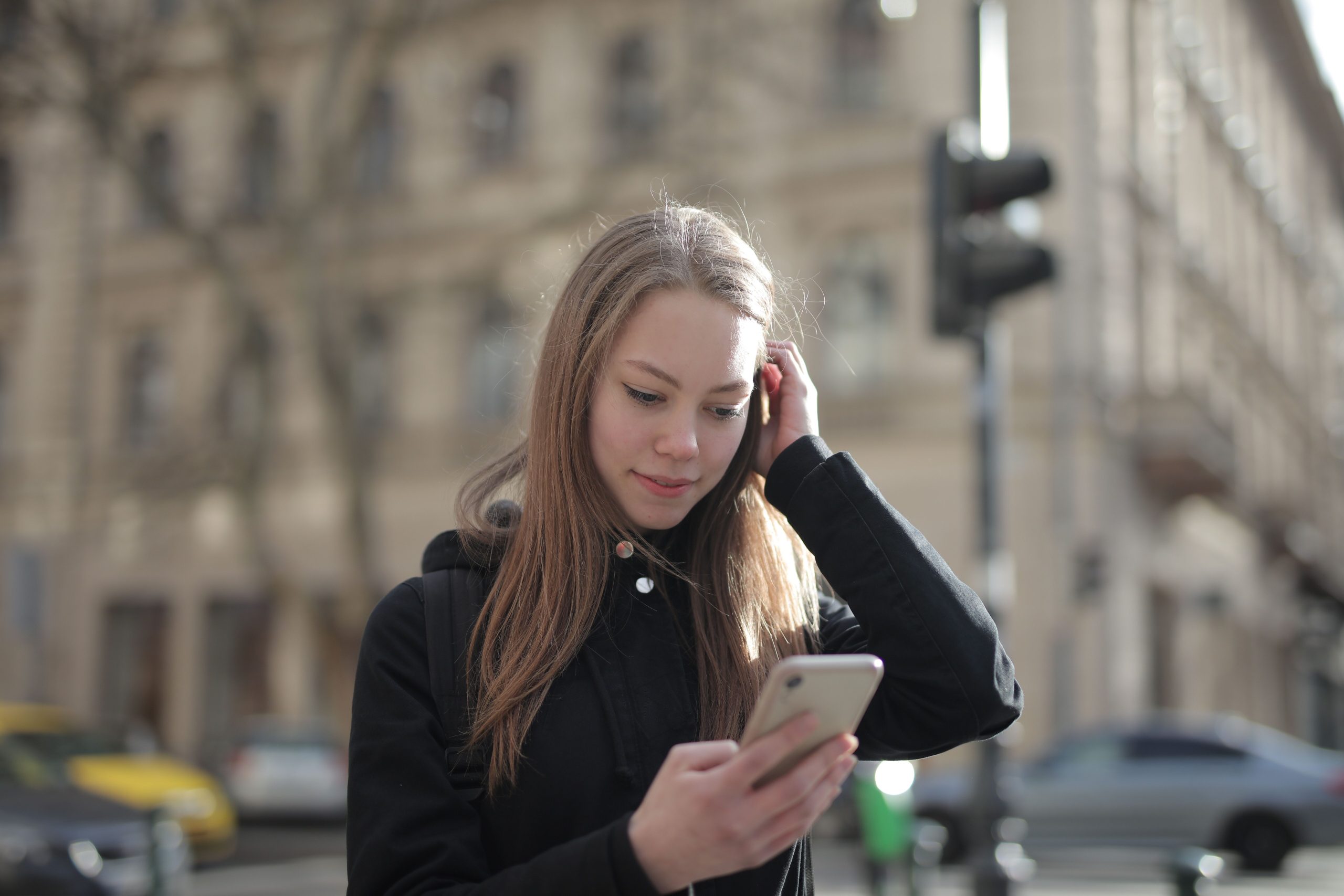
There used to be a fairly clear separation between things you did online and things you did away from a computer. You booked a flight at home, checked your bank account from a desktop, printed directions before driving somewhere and probably called a restaurant if you wanted food delivered. A phone was useful, but it was still mostly a phone. That sounds much older than it actually is. Now the same device can handle a bank transfer in the morning, directions on the way to work, a lunch order, a workout in the afternoon and a film booking in the evening. People barely think about the switch between one activity and the next because the phone stays in the same hand while the app changes. The interesting part is not that there are apps for almost everything. It is how quickly people got used to expecting everything to have one.
Travel probably shows the change better than most things
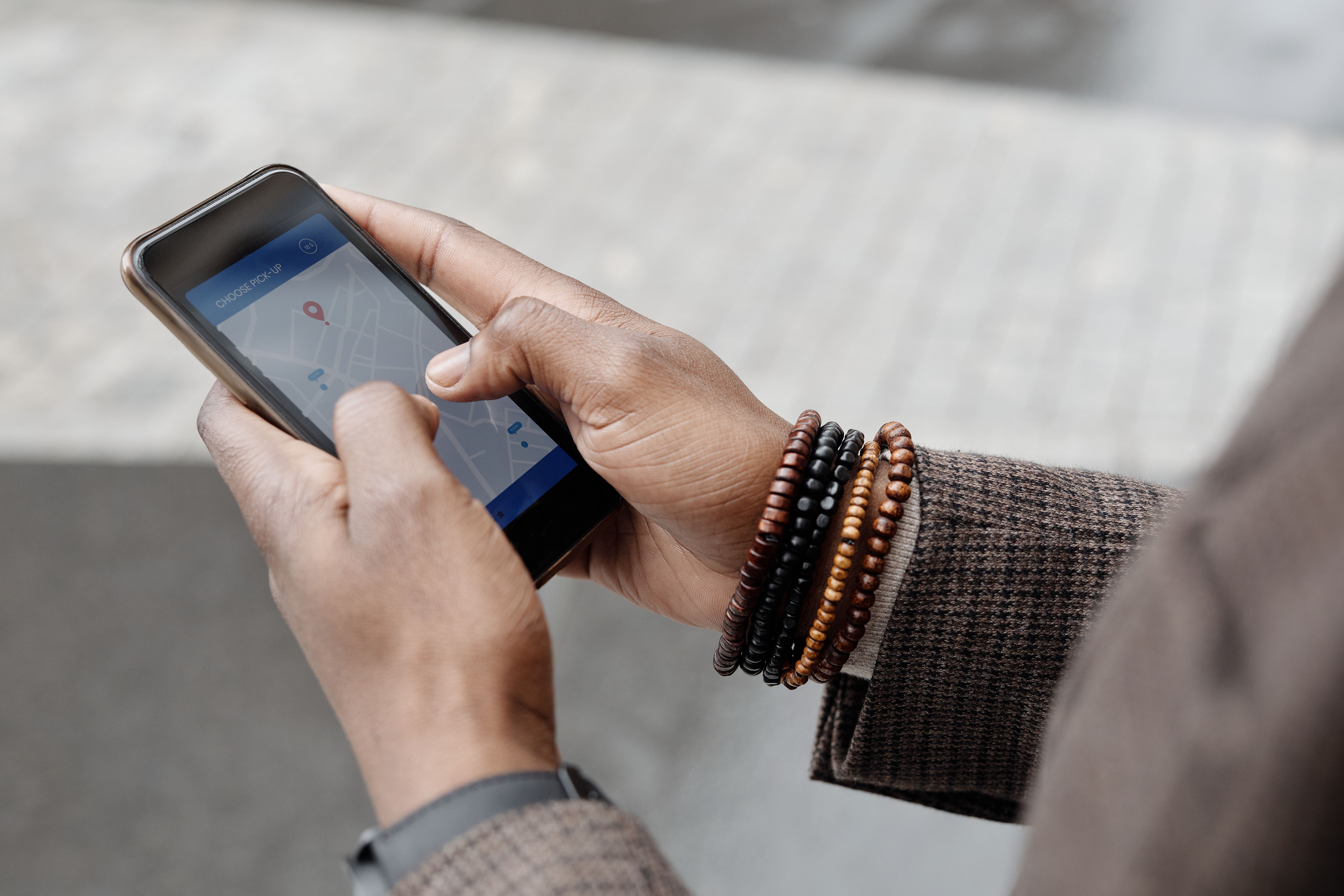
Think about what travelling used to involve. A hotel booking confirmation might be printed. Boarding passes were pieces of paper. Directions came from maps or whatever had been written down before leaving. If a flight changed, finding out could involve an airport screen or a phone call. Today, somebody travelling around California can have the airline, hotel, maps, ride-hailing service and restaurant bookings sitting within a few centimetres of one another on the same screen. The airport app sends a gate change. Maps works out how long the drive will take. The hotel booking is already saved. If dinner plans change, another app finds somewhere nearby without anybody needing to know the neighbourhood particularly well. None of these jobs is new. What changed is how little planning is needed before leaving home.
Money became something people check constantly
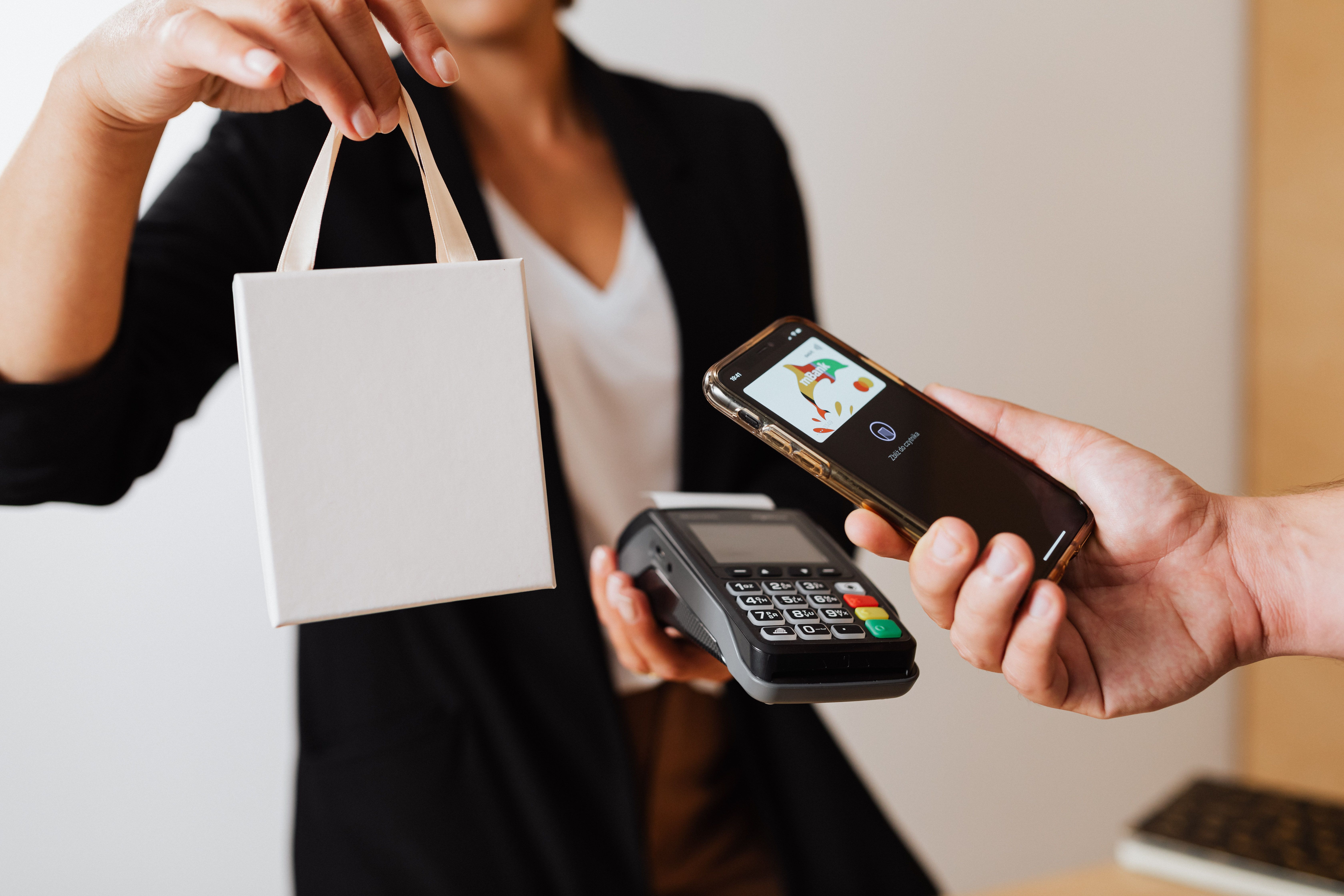
Banking probably went through an even bigger change. People once waited for a statement to see exactly what had happened in an account. Now a purchase can create a notification before somebody has even put the card back in their wallet. That has changed the way people think about money. Balances are checked more often, transfers can happen while two people are standing together, and splitting a restaurant bill no longer requires anybody to find cash. Payment apps also ended up inside other apps. Food delivery, shopping, parking and travel services all learned that making someone leave the app to complete a payment was an unnecessary interruption. Betting apps followed much the same route in markets where mobile wagering is permitted. A sportsbook can combine fixtures, odds, account information, deposits, withdrawals and live scores without requiring the user to move between several services. Betting with the Betway app is a very different activity from ordering dinner or booking a hotel, but the expectation around the app is familiar: people want to know where things are, see what happened to a transaction and get back to what they were doing without fighting the menu. That expectation is now surprisingly consistent across completely unrelated industries.
Food apps changed more than delivery
Ordering dinner is another good case because the old version was hardly difficult. People had been ordering pizza over the phone for decades. The app did not invent takeaway food. What it changed was the amount of information available before ordering. Menus could be browsed without calling. Prices were visible. Delivery time could be estimated. Reviews appeared beside restaurants somebody might never have heard of otherwise. Then came tracking, saved orders and the ability to reorder last Tuesday’s dinner in about thirty seconds. Restaurants also became easier to discover. Someone could live a few blocks from a good place for years without knowing it existed, then find it because an app happened to put it on the screen. Of course, this also created a new problem: choosing dinner can now take longer because there are too many choices rather than too few.
Fitness moved into the pocket too
Running apps record routes and pace. Gym apps store workouts, while watches send heart-rate and sleep information back to the same device. People who once went for a run with little more than a rough idea of the distance can now know the exact route, speed and elevation afterwards. Whether everybody needs that much information is another question. Some runners love having every kilometre recorded. Others eventually stop looking because knowing the pace of every Sunday jog starts to feel like work. The technology is there, but people decide how much of it they actually want. That happens with most app categories. Having twenty features available does not mean anybody uses all twenty.
Entertainment no longer waits until people get home
Music used to require bringing music with you. Games needed a console or computer. Watching a film usually meant television, cinema or a laptop. Now five spare minutes is enough to start almost anything. A person waiting for a train can play a game. Someone sitting in a café can watch part of a series. Sports fans can check scores while doing something completely unrelated. Casino games and betting platforms have also become part of this wider mobile entertainment mix in places where they are legally available, alongside puzzle games, streaming, fantasy sports and other services. The result is that entertainment no longer needs its own part of the day. It slips into all the little gaps that used to be empty. That can be useful, although it also explains why so many apps now compete for attention rather than simply offering a service.
The best apps tend to disappear into the routine
People usually notice an app most when it gets in the way. A parking app that takes five minutes to log in becomes irritating because paying for parking should take seconds. A banking app asking for the same information twice feels clumsy. A travel app that hides the boarding pass behind four menus makes something simple unnecessarily difficult. The apps people keep using often become almost invisible. You know where the button is. Your details are already there. The app remembers what you normally do and does not make you start from the beginning every time. That familiarity matters because phones are crowded now. Few people need another app badly enough to tolerate one that is frustrating to use. The strange thing is how quickly all of this became normal. Banking, travel, food, fitness, games and betting once belonged to completely different parts of life. On a phone, they may be separated by nothing more than one swipe across the screen. The technology brought them together. People did the rest simply by getting used to it.